

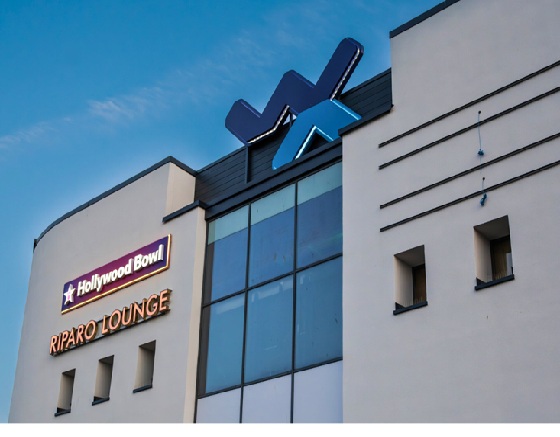
Corporate signage plays a crucial role in shaping how your business is perceived. From reinforcing brand identity to guiding visitors and creating a professional first impression, the right signage can significantly enhance your workplace or commercial environment. However, poorly planned or executed signage can just as easily undermine your brand and create confusion.
Whether you’re installing signage for a new premises or updating your corporate signage as part of a rebrand or refresh, avoiding common mistakes can save time, money, and frustration. Keep reading to explore the most frequent pitfalls businesses encounter when installing corporate signage—and how to avoid them.
Failing to Align Signage with Brand Guidelines
One of the most common mistakes is installing signage that doesn’t accurately reflect your brand. Inconsistent colours, incorrect fonts, outdated logos, or poor-quality finishes can make your business appear disorganised or unprofessional. How to avoid it: Ensure all signage strictly follows your brand guidelines. This includes colour codes, typography, logo placement, tone, and overall visual style. If your brand has evolved, review whether existing signage still aligns with your current identity before proceeding.
Poor Placement and Visibility
Even the most well-designed signage will fail if it’s not positioned correctly. Signs that are too high, too low, obstructed by furniture, or hidden from key sightlines can be easily overlooked. How to avoid it: Consider how people move through your space. Entry points, reception areas, corridors, lifts, and decision-making zones are critical locations. Conduct a walkthrough from a visitor’s perspective to identify optimal placement for visibility and impact.
Overloading Signs with Too Much Information
Trying to fit excessive information onto a single sign is a common error. Overcrowded signage can be difficult to read, visually overwhelming, and ineffective at communicating key messages. How to avoid it: Keep signage clear, concise, and purposeful. Focus on one primary message per sign wherever possible. Use hierarchy, spacing, and simple wording to make information easy to absorb at a glance.
Ignoring Wayfinding and User Experience
Corporate signage isn’t just about branding—it’s also about helping people navigate your space. Poor wayfinding can lead to confusion, frustration, and a negative visitor experience. How to avoid it: Plan signage as part of a broader wayfinding strategy. Ensure directional signs are logical, consistent, and placed at natural decision points. Clear navigation is especially important in large offices, multi-level buildings, and shared commercial spaces.
Choosing the Wrong Materials
Selecting materials that don’t suit the environment can result in signage that wears quickly, looks dated, or becomes unsafe. For example, indoor materials used outdoors may fade or deteriorate, while glossy finishes may cause glare under certain lighting conditions. How to avoid it: Choose materials based on location, lighting, durability requirements, and maintenance considerations. Professional advice can help ensure your signage looks good long-term and performs as intended in its specific environment.
Underestimating Lighting Conditions
Lighting has a significant impact on how signage is perceived. Poor lighting can reduce readability, distort colours, or create unwanted reflections. How to avoid it: Assess both natural and artificial lighting where signage will be installed. Consider illuminated signage, backlighting, or matte finishes where appropriate, and ensure colours remain accurate under different lighting conditions.
Focusing Only on Cost, Not Quality
While budget is always a consideration, prioritising the cheapest option often leads to compromised quality. Low-quality signage can fade, peel, or appear outdated far sooner than expected. How to avoid it: View corporate signage as a long-term investment in your brand. High-quality materials, professional installation, and thoughtful design will deliver better value over time and reduce the need for frequent replacements.
Not Planning for Future Changes
Businesses evolve—teams grow, departments change, and branding updates occur. Signage that doesn’t allow for flexibility can quickly become obsolete. How to avoid it: Where possible, incorporate modular or easily updateable signage systems. Planning ahead makes future changes simpler and more cost-effective, particularly in dynamic corporate environments.
Overlooking Compliance and Regulations
Certain signage, such as safety, accessibility, and emergency signage, must comply with Australian standards and local regulations. Failing to do so can create legal and safety risks. How to avoid it: Ensure all required compliance signage meets relevant Australian standards – this includes font size, colour contrast, placement, and visibility requirements.
DIY Installation or Inexperienced Contractors
Attempting to install corporate signage without professional expertise can lead to alignment issues, damage to walls or surfaces, and an overall poor finish. How to avoid it: Engage experienced signage professionals who understand design, materials, installation techniques, and compliance requirements. Proper installation ensures your signage looks polished and performs as intended.
Corporate signage is far more than a decorative element—it’s a powerful communication tool that reflects your brand, guides visitors, and shapes first impressions
By avoiding these common mistakes and taking a strategic, professional approach, you can ensure your signage delivers lasting value and reinforces your business image. Whether you’re planning a new installation or reviewing existing signage, thoughtful design, careful planning, and expert execution make all the difference.
